

What Does an Electrician Do?
An electrician is a vital professional who makes sure people's electrical systems function correctly. They install new equipment, repair damaged wiring and fuse boxes as well as maintain electric lines.
These skilled tradespeople work in teams to complete their work. electricians in the uk can also be self-employed and have their own schedules.
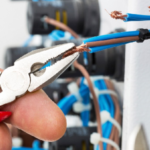
Job description
Electricians install, test, repair and maintain electrical wiring, fixtures, control devices and related equipment in all kinds of structures and buildings. They may work for electrical contractors , building maintenance departments, or they may be an independent contractor.
They are responsible for completing electrical projects that are built on blueprints or specifications. They also monitor the power levels to electrical circuits and ensure that they are not overloaded or create a danger. They can also order electrical components and supplies, and communicate with suppliers about the type and availability of items , and carry out other duties related to business management.
Journeyman electricians are responsible for setting up and maintaining the electrical infrastructure of a building, including installing new wiring systems and fixtures. They also help troubleshoot issues with electrical systems, fixing and replacing appliances, as well as other equipment, as well as ensuring the system is in compliance with OSHA safety standards.
The job description should include a description of the obligations and responsibilities, as well with a list of requirements for the position. In addition, they should define the manner in which they will be compensated.
A good electrician job description should include a range of salary that is reasonable for the job. This will allow potential hires to understand how much they can expect to earn and to prepare their application accordingly.
Additionally, electricians should be able to work overtime and even on weekends if required. They should also be acquainted with the requirements of their state's licensing and be ready to complete any education or training requirements.
Finally, electricians must be physically fit and capable of lifting large objects. They could be working from scaffolds, ladders and roofs to install and maintain electrical wiring fixtures, equipment, and equipment. They must also be able use high voltage panels and other specialized tools safely. Injury and toxic materials are among the occupational hazards.
Education and training requirements
Electricians install wires, maintain and repair them and power systems in both businesses and homes. They also repair electrical devices like traffic signals and street lights that ensure safety for motorists.
To become an electrician you will require training in all aspects of the field. This includes the ability to read circuit and schematic diagrams and also follow the safety guidelines and electrical codes. You should also be able to utilize tools correctly and safely like a multimeter.
Some schools offer specializations in specific sectors of the industry. electricians in uk can be in solar energy or wind turbine technology, for instance, and can help you discover a job that suits your interests.
Apprenticeships are the most commonly used method of becoming an electrician. This is a four-year program which combines classroom study and on-the-job training under the supervision of a licensed electrician. After the apprenticeship is completed, students are awarded an official certificate as a journeyman or journeyperson. Then, they have the choice of completing a master apprenticeship program or continuing their studies to obtain additional certificates.
Another option for electricians who are aspiring is an associate degree that lasts two years or a certificate in electrical engineering/technology. These programs offer a solid foundation in the electrical field and permit students to transition into an apprenticeship in a short period of time following graduation.
You could take up a bachelor's degree, master's degree, or doctorate in any of the other educational options. No matter what path you choose, you will need an appropriate license to practice. Every state has different licensing requirements, so it's an excellent idea to inquire with the department of labor in your area to learn more.
Most employers prefer hiring electricians who are fully qualified, however it is possible to find positions with less education if your qualifications meet the requirements of your local trade association or if you have experience working as an apprentice. The outlook for job opportunities for fully qualified electricians is good, with employment projected to grow up to 9% between the years 2020 and 2031.
While many electricians finish their education via apprenticeship, some go directly to a trade school , and then receive their training from there. This option is especially appealing for those who have a high school degree who are interested in a career as an electrician. You can also join the field through the armed forces which will give you practical experience and training.
Work environment
Electricians are experts in the installation as well as maintenance and repair of electrical systems. These systems control lighting as well as communications equipment in businesses and homes. The work can be physically demanding as it could require standing, kneeling, or stooping over for extended periods. It can also be dangerous and cause injuries such as electrical shocks, falls, burns, and cuts.
OSHA has established specific standards to protect workers from these hazards due to the dangers that could be posed. These standards require that all employees follow strict safety procedures and wear protective equipment, clothing, and eyewear.
The electrician's apprenticeship program can last between four and five years. It is comprised of classroom instruction and on-the-job experience, that helps them build the abilities to accomplish tasks with ease. They are taught how to drill holes, connect conduit, and set anchors. They also learn to set up wiring outlets, switches and outlets and draw diagrams of electrical systems.
A drug test and aptitude screening must be passed by electricians during an apprenticeship. They must also be 18 years old and possess a high school diploma or equivalent.
Although many electricians are self-employed however, some work for larger corporations, which usually employ a team of workers. Larger companies often employ an electrician in charge who supervises apprentices and helpers to complete jobs.
While the work is physically demanding, it can be rewarding and demanding. This is a fantastic career option if you enjoy working hard and are active.
The majority of electricians don't work in an office. They can travel to different job sites and therefore aren't restricted to a single location. This is why electricians must be able travel long distances for their tasks.
They must also be able handle loud noises or inclement weather, such as snow, rain, or ice. They may work outdoors on factories, on construction sites as well as on renewable energy projects.
The job of an electrician is challenging, but it's satisfying to see the completed product and know that you've made the world more beautiful. uk electricians can be an exciting career path that requires a high school certificate and the will to develop new skills.
Salary
Electricians typically make a steady income however, the exact amount will depend on your location and job experience. A master electrician can earn more than $80,000 annually while a journeyman electrician may earn as much as $55,000 per year.
uk electricians are expected to grow by from 9% between 2020 and 2030, which is more than the average national wage of 8 percent for all jobs. The earnings for electricians will increase over time because more people are keen on starting their own business.
To become an electrician, you must attend an apprenticeship school and earn an apprentice's license. The four-year course involves extensive fieldwork as well as classroom instruction. The experience you get will help you advance your career and increase the amount you earn.
You'll be rewarded with more money if you're determined and eager to work hard. You can also climb the ladder by becoming a supervisor.
For instance an engineer at a substation can earn up to $69,000. This job involves maintaining and monitoring power stations that supply electricity to residential and commercial areas.
If you are seeking to change your career the electrical systems engineer is the right option. These professionals aid power distribution, utility and telecom companies by designing route wires and public grids.
A designer of electrical systems can earn anywhere from $65,000 to $85,000. This is a middle-of-the-road salary range that indicates consistent pay and plenty of room for growth.
Experience is the primary aspect in determining your electrician salary. You can get an electrician's license as a journeyman after several years of experience. However, you can get an advanced degree to begin earning more as an electrical system designer.
If you're driven and determination to become an electrician, consider starting your own business. This can be an exciting method to increase your income and have more freedom, while also helping you save on costs for overhead. ServiceTitan Cloud, a cloud-based enterprise management platform, will allow you to run your business smoothly and efficiently. This includes processing payroll.